
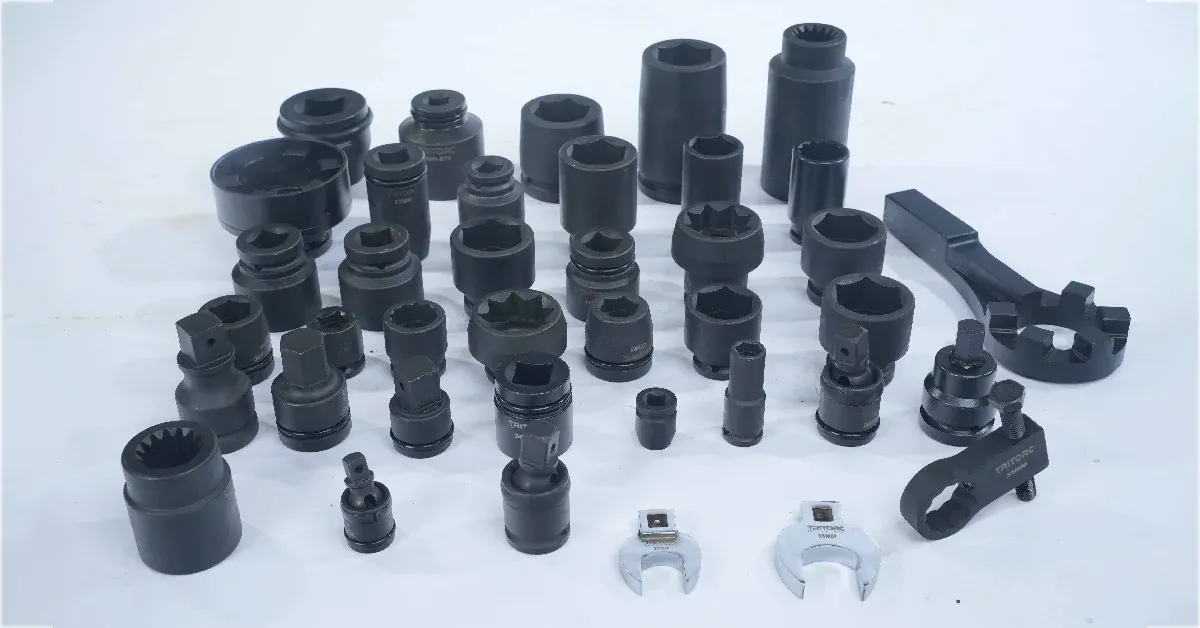
Implements used to tighten or loosen fasteners have changed over time, but as the production of steel became more reliable and consistent grade/quality of steel became possible, fastener manufacturing became rapidly standardized along with a litany of tools and implements to fasten them.
What screwdrivers were to screws and riveting hammers were to rivets, spanners, and sockets were to bolts and studs. Spanners were conventionally used to fasten bolts, this changed with the invention of torque wrenches they were more suited to delivering controlled torque as per their setting, which mostly used a tension spring-based mechanism.
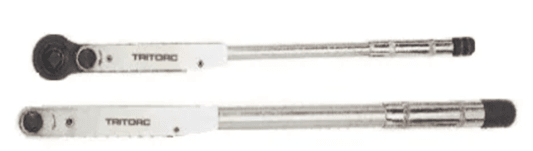
Ratchet Wrench
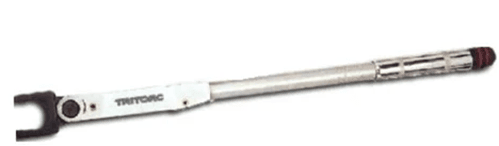
Open Jaw Wrench
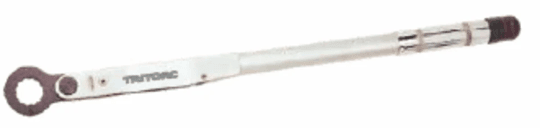
Ring Spanner Wrench
Torque wrenches also started having ratcheting mechanisms, which brought forth the advantages of the sockets.
A Socket is a tool that is used to fasten the nuts of Bolts and studs by gripping the (conventionally) hexagonal part of the nut on the outside and applying the torque using a square drive of a wrench.
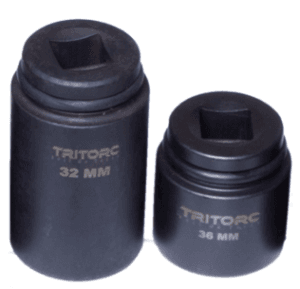
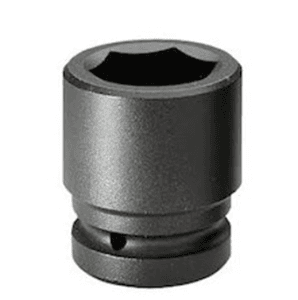
The amount of torque applied and the socket selected is decided by several factors:
Regular Sockets and their wrenches are made for use with manual and select electric torque wrenches, which provide light torque capacity for applications such as automotive applications, and everyday uses.
Impact sockets are meant for industrial applications wherein the torque value is much higher and the use of power tools such as impact wrenches, hydraulic torque wrenches, pneumatic torque wrenches, electrical torque wrenches along with manual torque wrenches and torque multipliers is a given.
In a scenario where impact wrenches are used, the applied torque and the vibration shall render regular sockets useless, they might crack in a manner that is perhaps even dangerous to the tool user. Compromising on the tool quality to save costs, would definitely jeopardize safety.
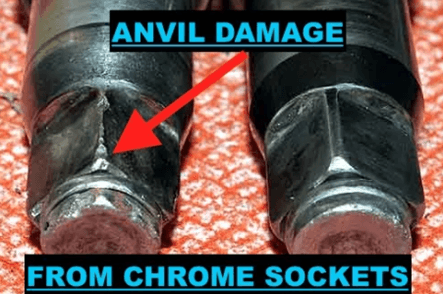
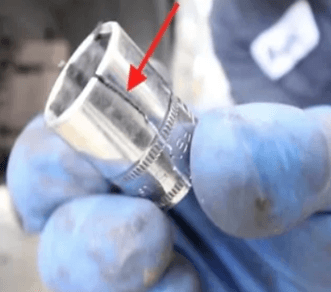
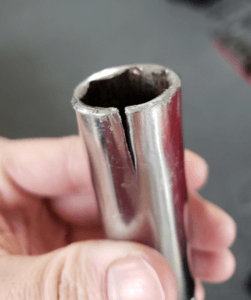
There are several factors that make them better, viz.
Impact sockets can be classified into several types such as the following:
Square Drive Size: The square drive sizes of wrenches are usually divided into imperial sizes in inches most common ones being – ⅜”, ¼”, 7/16”, ½”, 9/16”, ⅝”, ¾”, 13/16”, 1”, 1-½”, 2-½”, 3-½” and #5 Spline Drive. As we know an inch is divided into 16 parts of which these sizes are usually present.
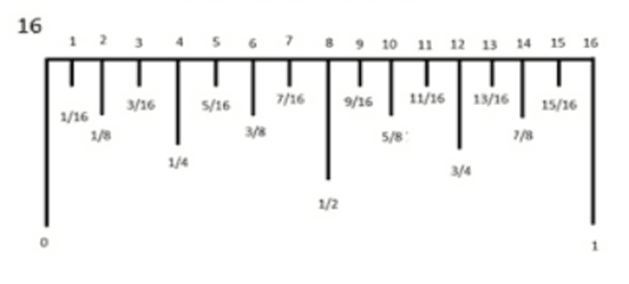
2. Opening Type: According to the Nut location and space restrictions, use of Allen head bolts, we can select from
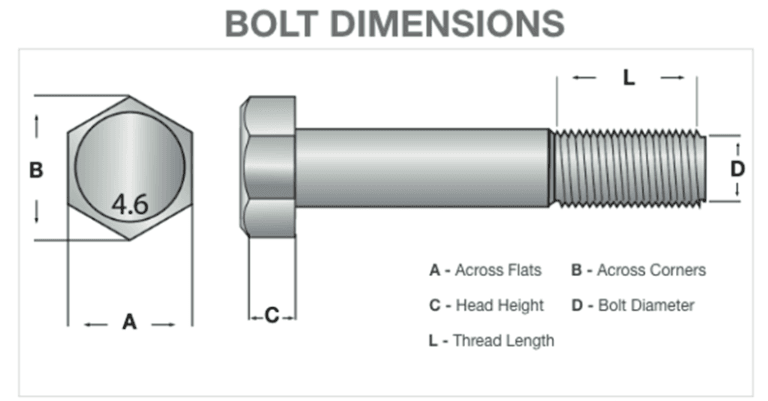
3. Nut Size: The Nut size changes according to the Bolt and whether it is a heavy hex nut or a finished nut, Sockets can be selected accordingly
4. Materials and Socket Geometry: According to the Square drive-to-opening ratio 4 different predominant geometry types for impact sockets exist. Additionally, the impact socket materials can be selected according to the amount of torque and operating conditions.
Types of Sockets Geometry (Drive to Hex Ratio)
Type A — Type B — Type C — Type D
5. Variant according to function: Various functions call for different types of sockets such as the following:
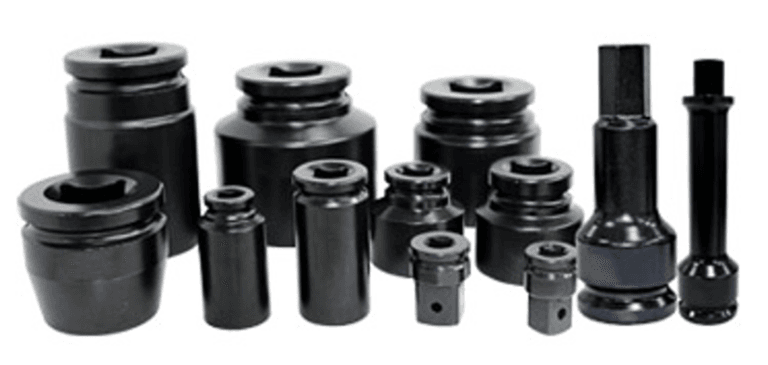
Industrial Heavy Impact sockets find use with proven power tools such as Hydraulic Torque Wrenches, Pneumatic Torque wrenches, pneumatic impact wrenches, electric torque wrenches, battery torque wrenches, manual torque wrenches, and Torque Multipliers.
Applications include ones in Oil and gas Sector, Wind Energy Sector, Thermal Power Sector, Nuclear power sector, Mining, Automotive sector, etc. Customized Sockets to fit into specific applications can also be made as per requirements.